Our work life has changed a lot over the past few years, and hybrid work models have become more relevant across the globe, including in India. Employees have evolved and opted for hybrid work models where they can divide their time between home and office, which has resulted in a long-term business strategy. Initially, the hybrid work model was used during the pandemic, but now people prefer it more than the traditional mode of working.
However, you must think that remote work has led to a decrease in physical offices, and they might no longer hold importance, but that’s not true. Instead, it has transformed their purpose, as offices are not just the place to sit and work, but they have become a place where employees can collaborate, design new ideas and create strategies for growth. Hybrid work models have also led to the opening of new opportunities and high-performance workspaces—especially within Grade A office developments that prioritise experience and efficiency.
The Shift from Desk-Centric Offices to Flexible Work EnvironmentsTraditional offices had fixed desks assigned to every employee but this idea of full occupancy in an office is not relevant anymore. In hybrid workplaces, this model is not significant anymore because the major portion of the employees are working remotely on any given day. So, the large areas and the unused desks only lead to wasted space and create extra expenditure on underutilised infrastructure.
The hybrid work culture has also led to specific changes in layout and floor plans, which have become more flexible and adaptable. Modular furniture, movable partitions, and multipurpose zones have become useful for organisations as they can quickly reconfigure spaces based on changing needs. The work environment has evolved a lot, and organisations are not only focusing on business strategies but also on their employees and their productivity skills. Hot-desking and activity-based working are becoming common because they have helped employees to choose workspaces depending on their tasks. They can choose quiet zones for focused work and collaborative areas for team discussions, or when they want to relax, they can go to lounge-style settings.
Now that work patterns are growing and keep evolving, it has become important for office buildings to be designed in a way that can meet a company’s needs and adapt to every change. That’s why smart space planning becomes significant because it will reduce unnecessary expenses and help businesses to shrink or expand, or simply bring some needed changes to their layout without hefty expenditure on renovations. Grade A offices often give offices the freedom to adapt quickly, which has become an important part of businesses because of their unpredictable trends.
Offices as Collaboration, Culture, and Experience HubsThe office has become a place where employees not only come to fulfil their tasks but also to connect and collaborate. That’s why nowadays, the hybrid work models have become collaboration and culture hubs.
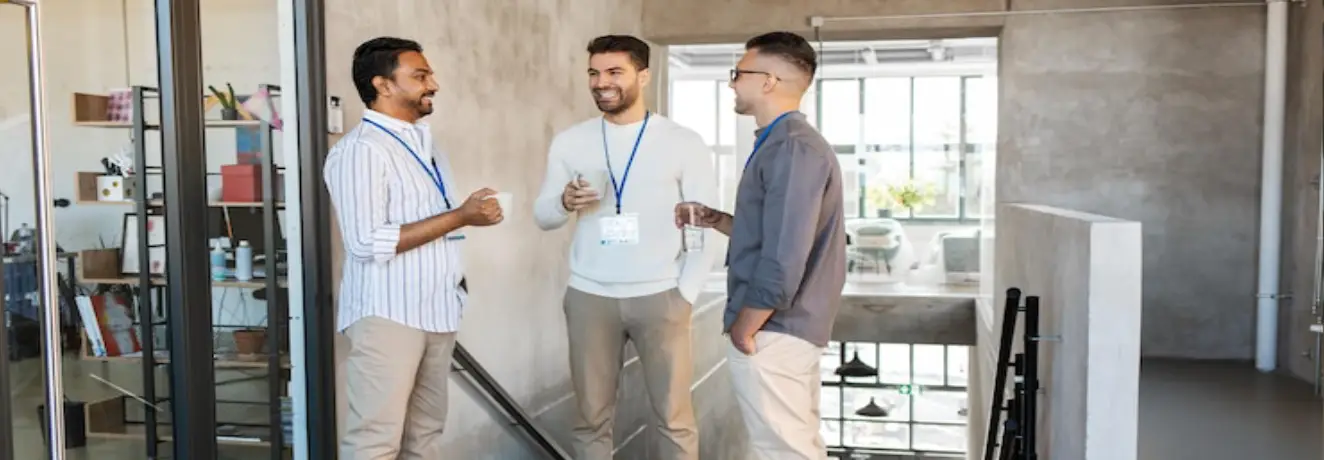
That’s why nowadays offices have meeting rooms, breakout areas and brainstorming zones, and shared lounges for better shared experiences and connection. Although these things can be done through virtual meetings, the physical spaces help in creating spontaneous and better interactions. That’s why a well-designed office helps in creating organisational culture and a sense of belonging among employees.
Companies are focusing on employee experience, so everything is planned accordingly in a workspace. Comfortable seating, natural lighting, acoustic control, biophilic elements, and thoughtfully planned amenities can bring various positive changes to employees and help them maintain mental well-being and productivity. Spaces like cafeterias, wellness rooms, outdoor terraces, and social zones are no longer “extras” because they bring retention and workplace satisfaction, so they are strategic features.
Grade A office spaces, such as those being developed under GEI’s current projects like Business Bay II and Trade Tower, are designed in a way that will help workspaces as well as the complete business ecosystem.
Technology, Sustainability, and the Future-Ready OfficeHybrid work models and technology go hand in hand because virtual working spaces need high-speed connectivity, uninterrupted video conferencing, access control systems, and integrated digital platforms, which have become an important part of modern office design. Many features like managing light, temperature, and energy usage, help in cost reduction and these smart building systems make the working environment comfortable for employees.
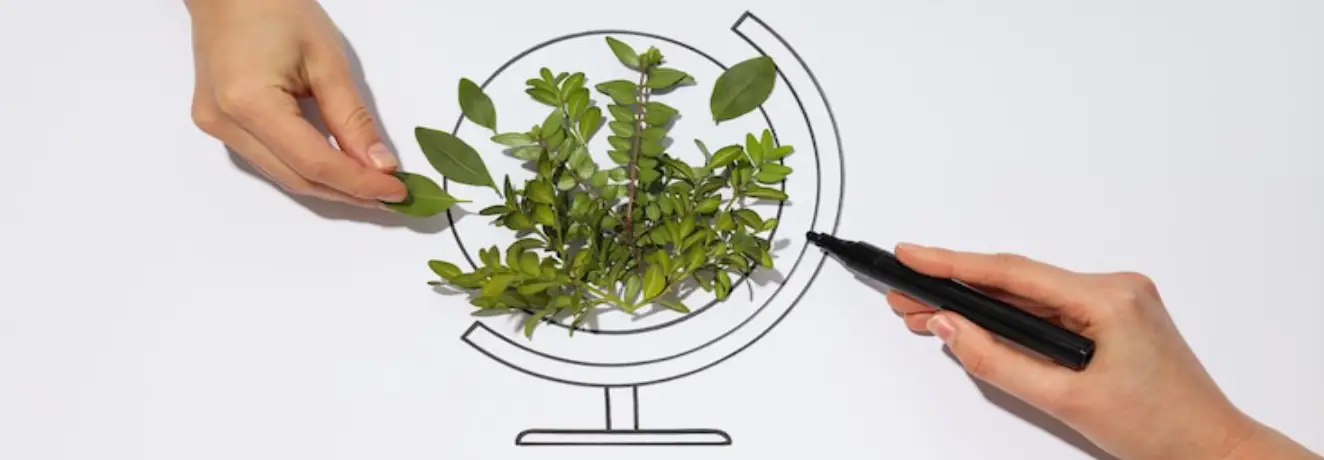
Modern offices try to be more eco-friendly, and companies want their spaces to be as sustainable as possible. Things like saving electricity and water, managing waste properly, and using environmentally friendly materials are no longer optional or something just “nice to have,” but they have become a necessity for any good office building today.
Green building certifications and smart, sustainable designs help save money by keeping the air cleaner and reducing electricity and maintenance costs, along with many other things. Sustainable office design not only saves costs but also positively impacts employees' health, which shows the company cares about the environment and the employees. Commercial real estate projects use technology and sustainability together for attractive and future-proof designs and meet the demands of modern work environments.
ConclusionHybrid work models have changed the purpose of physical offices in a positive way. Now people are more interactive and flexible, and technological advancement has brought even more productivity among employees. Offices have become strategic business tools that bring together long-term growth. Businesses have started prioritising flexibility, collaboration, and sustainability, and this has created developers like Good Earth Infra, who create office spaces that can fit in today’s work environment and easily adjust in the future, too.
Leave a Comment